
Introduction
When it comes to getting your yard ready for Spring, picture a North Georgia yard at winter’s end: patchy, flattened grass, soggy leaves in every bed, and shrubs in Alpharetta or Roswell that still look half asleep. Then a warm afternoon shows up, weeds pop through, and the yard suddenly feels behind before spring has even started.
Around North Atlanta, spring does not ease in. One cool spell can be followed by sudden heat, and lawns that were skipped in March often struggle through June, July, and August. Getting your yard ready for spring is not just about how it looks for the next cookout. Early care affects how well grass handles heat, how clean beds stay, and how much everyone uses the space all season.
Champion Outdoor Services has helped homeowners in Alpharetta and across North Atlanta since 1994, treating each property as if it were their own. One local team handles spring cleanup, fertilization, weed control, irrigation checks, planting, and hardscape work, so there is less guessing and less running between contractors. By the end of this guide, you will know which steps matter most, when to do them, and where a trusted professional can take the pressure off so the yard feels like a true retreat for family and friends.
Start With A Thorough Spring Cleanup
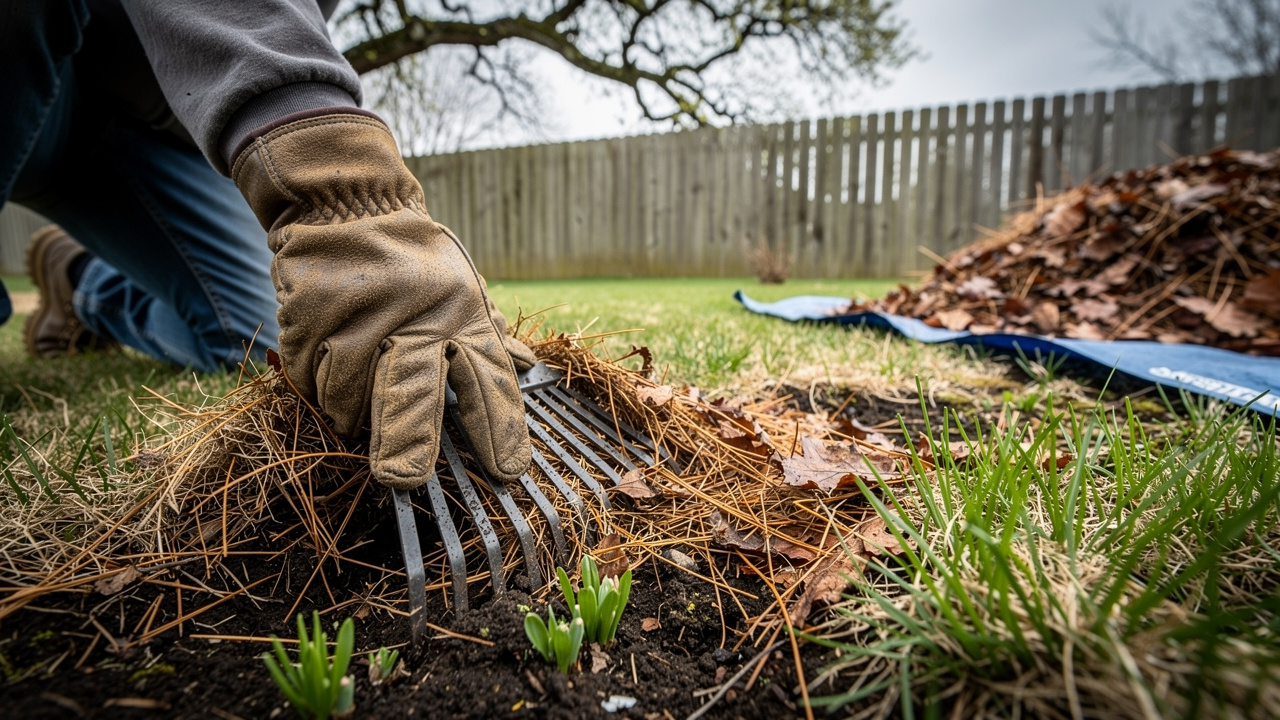
Every healthy spring lawn starts with a clean slate. Before thinking about fertilizer or planting, the first priority is clearing what winter left behind. Old leaves, branches, and matted grass can:
Smother new growth
Trap moisture against the soil
Invite disease and pests
Wait until the soil is firm, not soggy, so footprints and mower wheels do not press ruts into the turf.
“A garden requires patient labor and attention. Plants do not grow merely to satisfy ambitions or to fulfill good intentions. They thrive because someone expended effort on them.”
— Liberty Hyde Bailey
Once the ground is ready, a careful raking of the entire yard is the next step in getting your yard ready for spring. A flexible leaf rake usually works best. It pulls up leaves, pine straw, and twigs without tearing young grass and also loosens light thatch so more air, sun, and water reach the soil. Pay extra attention to:
Fence corners
Low spots
Around shrubs and trees
These areas often hide the thickest layers of debris.
With the surface clear, it becomes easier to see how plants handled winter. Take a slow walk around the property and:
Look for broken branches and dead wood
Check shrubs that may not have survived a hard freeze
Note plants that need shaping for better growth
Summer bloomers like crape myrtles and many hydrangeas usually respond well when trimmed before new leaves appear. Spring stars such as azaleas should be pruned only after they finish blooming. Any dead or diseased branches should be removed with clean cuts so plants can heal and push out fresh growth.
Several warning signs show that a yard needs cleanup attention right away:
Thick mats of wet leaves or pine straw stay stuck to the ground and feel spongy underfoot. They block sunlight, keep the surface damp, and can cause new grass blades to yellow or thin. Removing this layer early gives the lawn a chance to thicken and green up.
Gray or white mold patches appear on the lawn, especially in shaded or low areas after snow or heavy rain. Left alone, these spots can spread and create bare areas. Light raking and better airflow usually help turf recover quickly.
Large branches, snapped limbs, or leaning shrubs may be easy to ignore from a distance but cause long‑term problems. Broken wood invites insects and disease. Cleaning up now and trimming back to healthy growth helps trees and shrubs rebound with strong new shoots.
For many North Atlanta homeowners, finding time for this work is difficult. Champion Outdoor Services offers full seasonal cleanup, from leaf and debris removal to pruning and haul‑off, so the yard is clear, safe, and ready for the next phases of spring lawn care.
Fertilization, Weed Control, And Soil Health — The Core Of Spring Lawn Care
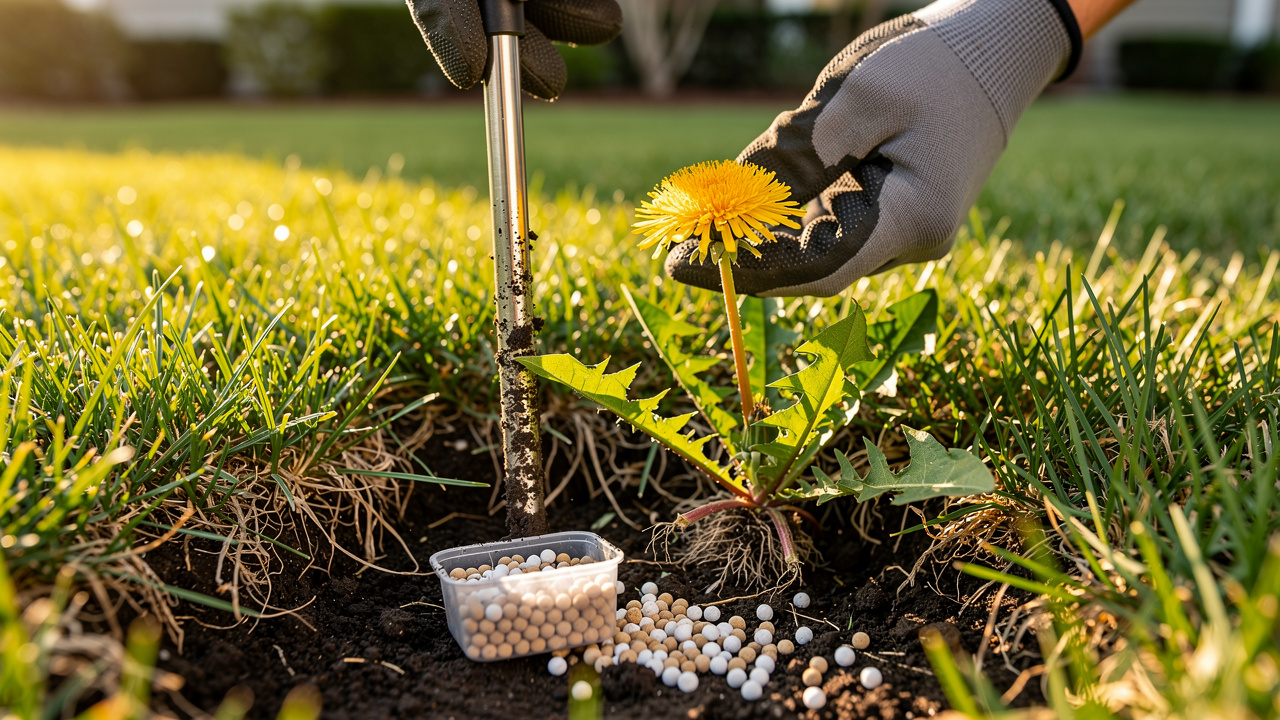
Once the yard is clean, attention can shift to what feeds the grass from below. Fertilizer, weed control, and soil health are the core of spring lawn care and set the tone for how the lawn looks and feels through summer.
Spring fertilization starts with timing — a principle well supported by research on spring lawn care practices. Spreading fertilizer while the ground is cold or grass is still dormant does little good. Roots are not active enough to absorb nutrients, and heavy spring rain can wash product away. In North Atlanta, the first feeding should wait until:
Soil has warmed
The lawn shows steady new growth
That first application replaces nutrients lost over winter, helps the grass thicken, and deepens color. Champion Outdoor Services designs fertilization programs around each property, adjusting rates and blends for Bermuda, Zoysia, or Fescue rather than using a single mix for every yard.
Weed control works alongside fertilizer. Pre‑emergent herbicides create a barrier in the top layer of soil that keeps crabgrass and other annual weeds from sprouting. Two points matter most:
Timing: Products need to be on the lawn before soil temperatures sit in the mid‑fifties.
Water: They must receive about half an inch of water to move into the soil and form a barrier.
Many do‑it‑yourself attempts miss that watering step or apply product right before a heavy storm, which means the barrier never fully forms. Champion Outdoor Services plans pre‑emergent visits around forecasted rain or irrigation schedules and chooses materials that match the exact grass mix so sensitive lawns do not turn yellow or slow down.
Most Georgia lawns need more than a single pre‑emergent visit. An early spring treatment helps with summer weeds, while an early fall visit checks winter annuals that appear when the air turns cooler. This two‑step pattern keeps weed pressure low all year, instead of reacting after invaders have already taken over.
Soil health ties everything together. A simple soil test reveals pH and nutrient levels and shows whether the lawn needs more than nitrogen. When soil is too acidic or too alkaline, even the best fertilizer cannot deliver full results. Where soil is tight from heavy use, core aeration opens small holes through the thatch and into the root zone so air, water, and nutrients can move more freely. Champion Outdoor Services offers soil testing and aeration as part of a larger care plan, so decisions are based on actual measurements instead of guesswork.
| DIY Weed And Feed Approach | Champion Outdoor Services Approach |
|---|---|
| Often picks products by label claims without matching them to grass type or soil needs. | Selects materials based on grass mix, soil test results, and shade or sun patterns on each property. |
| May spread pre‑emergent once and assume the lawn is covered for the year. | Schedules at least two pre‑emergent visits to protect against both summer and winter weed waves. |
| Can forget to water after applying or applies before a heavy storm that washes product away. | Times visits with irrigation cycles and local weather so products are activated, not wasted. |
| Handles fertilizer, weed control, and aeration on separate days without a clear plan. | Coordinates treatments so they work together, avoiding damage to new seed or breaks in the weed barrier. |
Do Not Overlook Your Irrigation System And Overseeding Needs
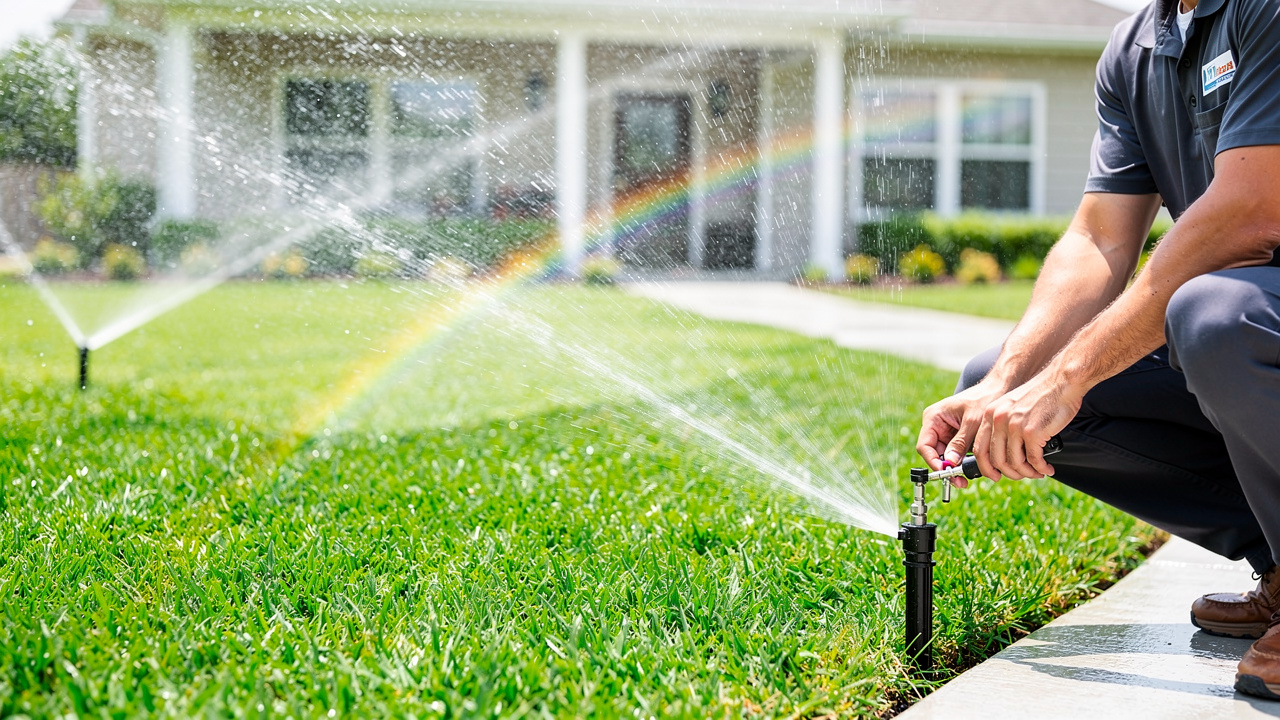
Water is the quiet partner in every strong lawn. An irrigation system that is out of tune can undo a lot of work spent getting your yard ready for spring. After winter, it is common to find:
Heads that do not pop up fully
Clogged nozzles
Leaks that cause muddy spots or higher water bills
A basic spring check starts by turning the system on and watching each zone — following EPA WaterSense landscaping tips can further help homeowners maximize efficiency and reduce waste. Look for spray that hits sidewalks or the street instead of grass, areas that stay dry while nearby turf turns dark green, and any bubbling water around heads or valves that hints at hidden leaks. Timer settings often still match last year’s schedule, so they need a reset for cooler, wetter spring weather instead of hot July afternoons. Smart controllers that tie into local weather can help, but they still benefit from a manual review at the start of the season.
A simple checklist can catch most issues before summer:
Watch each zone run long enough to show weak coverage. Dry strips or soaked areas usually signal misaligned heads rather than soil problems. Adjusting patterns now keeps roots from growing shallow on the wet side and stressed on the dry side.
Stand near each head and check the spray pattern. Fine mist blowing away in a breeze often means water pressure is too high, while thin or uneven streams point to clogged nozzles. Cleaning or swapping nozzles in spring improves efficiency across the whole system.
Open the valve box and look for standing water or signs of slow seepage. Even a small trickle can wash away soil, invite ants, and waste a lot of water over time.
Overseeding is another common spring topic, especially for Tall Fescue lawns across Alpharetta, Milton, and Johns Creek. It may feel natural to throw seed down when warm days return, but Fescue responds much better to seeding in fall. Seed put out in spring often lacks time to build deep roots before summer heat. In some cases, a professional may lightly seed a few small bare spots in early spring, but wide overseeding is usually saved for cooler weather. Champion Outdoor Services plans overseeding for the right season and ties it into aeration and weed control so all three work together instead of interfering with one another.
Refresh Your Outdoor Living Spaces For The Season Ahead

Once the lawn, soil, and irrigation are on track, spring is a great time to think beyond grass. A welcoming yard in North Atlanta usually includes patios, walkways, walls, and beds that frame the space and make it comfortable to use. Winter temperature swings can be hard on these features, so an early‑season check keeps them safe and attractive.
Hard surfaces such as paver patios, stone paths, and retaining walls often show small signs of trouble before larger failures appear. You might see:
Thin cracks in concrete
Wobbly steps
A slight lean in a wall
Cleaning surfaces with a gentle wash, resetting loose stones, and sealing problem areas now lowers the chance of trip hazards and costly repairs later. Champion Outdoor Services designs and maintains outdoor living areas, so they can refresh what is already in place or plan new patios and walks that fit the home and lot.
Garden beds also play a big role in getting your yard ready for spring. Redefining the edges between turf and beds with a flat shovel or edging tool gives the property a neat, professional look in a single afternoon. After pulling out leftover leaves, a fresh two‑ to three‑inch layer of mulch helps block weeds, hold soil moisture, and buffer temperature swings around roots. For homeowners looking to fill empty spaces or replace tired plantings, Champion offers planting and sod installation that blend new materials into the existing design.
Spring is also a good time to picture how the yard will feel on a warm evening. A small seating area, fire feature, or path that links the driveway to the back patio can turn a yard into a favorite gathering place. Thoughtful outdoor lighting along walks, around trees, and near steps improves safety and adds a calm glow after dark. Champion Outdoor Services designs outdoor living spaces and custom lighting so patios, paths, and planting beds look just as inviting at night as they do during the day.
Use this quick walk‑through before the first big gathering:
Walk every hard surface and note any cracks, loose stones, or uneven joints that could cause trips. Fixing these details now helps guests move comfortably and keeps the property looking well cared for.
Refresh garden beds with clean edges and new mulch once per year. This sharpens the line between lawn and planting, makes colors stand out, and cuts down on hand weeding later.
Review outdoor seating, fire features, and lighting. Reposition chairs, check that fixtures work properly, and consider a few small upgrades that make spring dinners and summer weekends feel more relaxed.
“To plant a garden is to believe in tomorrow.”
— Audrey Hepburn
Conclusion

Getting your yard ready for spring is really about setting up the whole year for success. A thorough spring cleanup opens the way for new growth, smart fertilization and weed control build strength in the turf, and tuned irrigation keeps roots healthy when the heat arrives. When beds, patios, and lighting are also in good shape, the entire property feels more welcoming and easier to enjoy.
Some parts of this process are simple do‑it‑yourself tasks, like light raking or checking a few sprinkler heads. Others — such as pre‑emergent timing, product selection, aeration, and major hardscape work — benefit from an experienced eye and the right equipment. That is where a trusted local partner can make a real difference.
Champion Outdoor Services has served Alpharetta, Milton, Johns Creek, and the greater North Atlanta area since 1994, handling everything from regular mowing and weed control to irrigation monitoring and outdoor living design. For homeowners who want a lawn they can be proud of without guessing their way through each step, the team is ready to help. A personalized proposal starts with a walk of the property and ends with a clear plan so your yard can become a place where family and friends enjoy every season. Schedule a visit today.
FAQs
When Should I Start Getting My Yard Ready For Spring In North Atlanta?
Most years, late February through early March is the right time to start planning and light cleanup. Wait to walk heavily on the lawn until the final frost has passed and the soil is no longer frozen or very wet. When soil temperatures move into the mid‑fifties, the window for pre‑emergent weed control begins to open.
How Many Pre‑Emergent Applications Do I Need For A Georgia Lawn?
Most pre‑emergent materials last around three months in the soil. For that reason, Champion Outdoor Services recommends at least one visit in early spring and another in early fall. This pattern protects against both summer and winter weeds. A single application rarely keeps Georgia lawns clear through all seasons.
Should I Aerate My Lawn In The Spring Or The Fall?
For Tall Fescue, which many North Atlanta properties use, fall is usually the best time for core aeration. Cooler weather allows the grass to heal and thicken, and aeration pairs well with overseeding during that season. If soil is badly compacted in spring, light spike aeration may offer some short‑term relief before a full fall plan.
Can Champion Outdoor Services Handle All Of My Spring Yard Prep Needs?
Yes. Champion Outdoor Services offers seasonal cleanup, fertilization, weed control, aeration, overseeding for Fescue, irrigation monitoring, planting, sod installation, hardscape care, outdoor living design, and custom lighting. Every plan is adjusted to the property and budget. Homeowners can request a personalized proposal and let one trusted team manage all spring yard preparation.